About The Estate
Throughout our 130-year history, The Lapwing Estate has continuously evolved and innovated in response to changing market and social trends, and now we have a new vision as we work to reinvent our produce growing model.
This innovative new way of working will enable us to sustainably intensify production of high quality, healthy food, whilst at the same time delivering net gains for the environment.
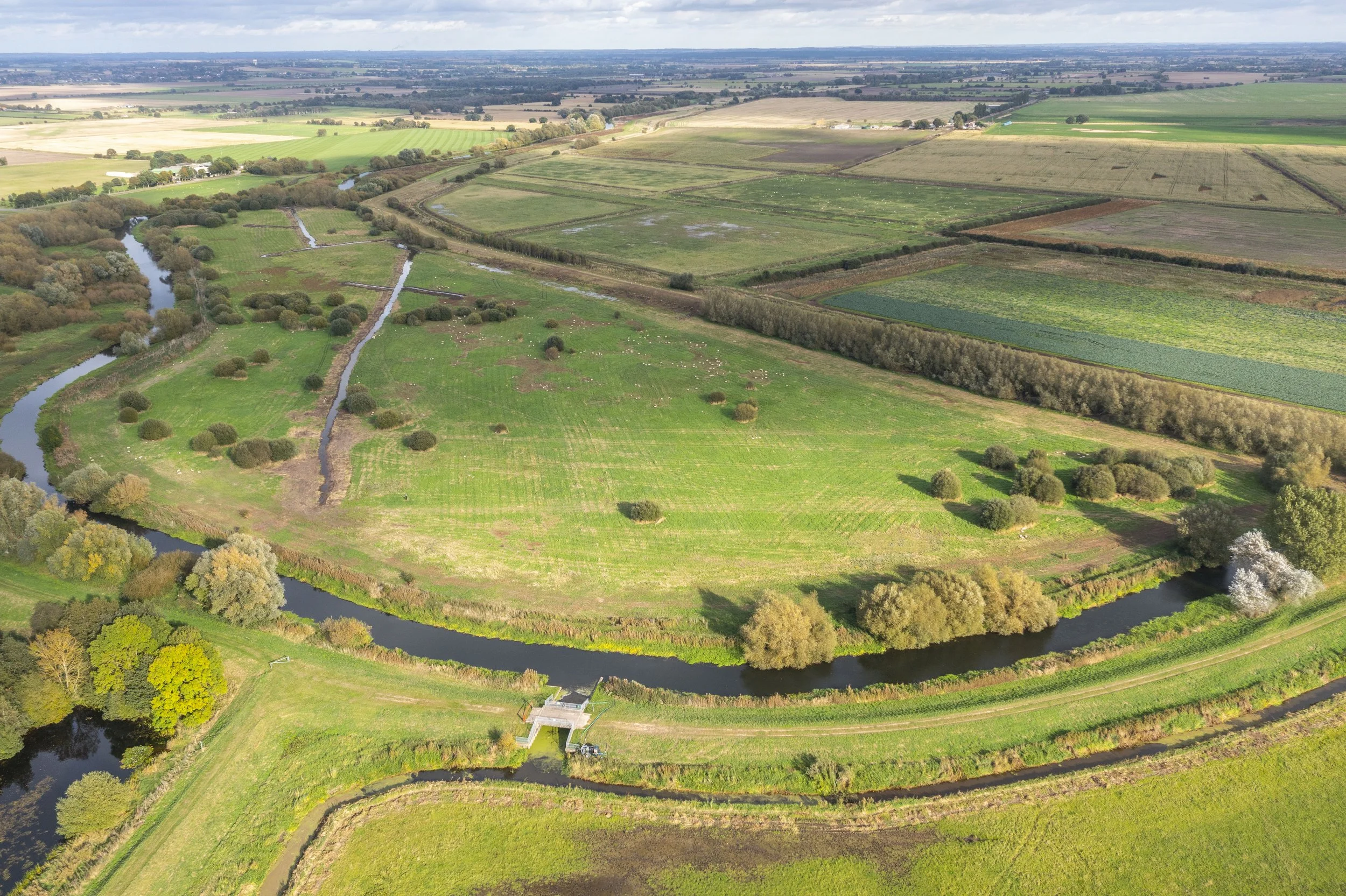
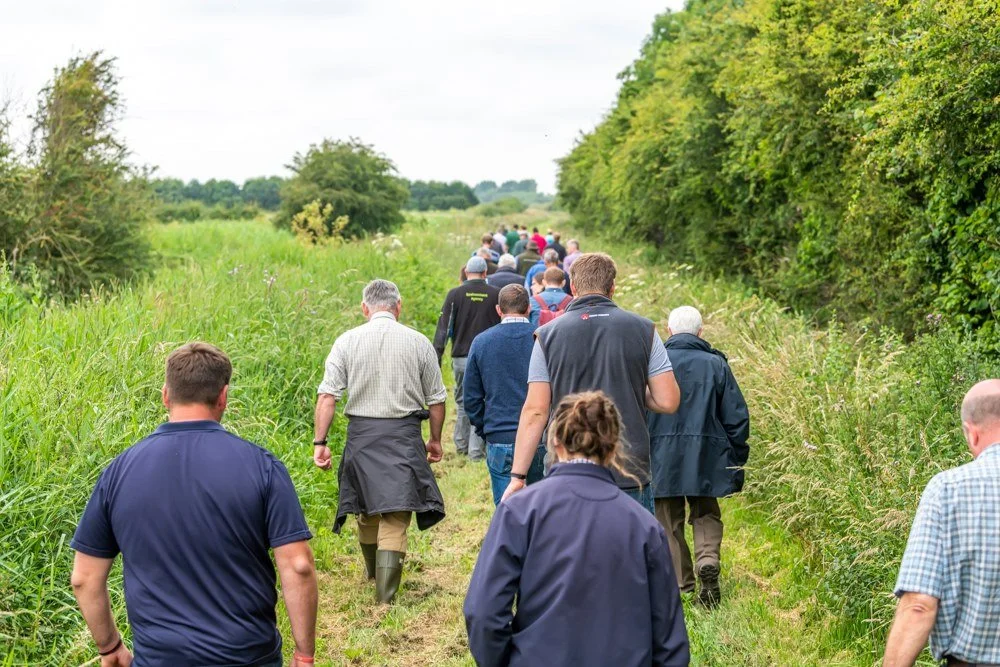
Biodiversity is at the heart of our land management strategy
In addition to our membership of the Countryside Stewardship Scheme, we are proud to work with both the RSPB and Nottinghamshire Wildlife Trust to get a better understanding of our land and the species we have here.
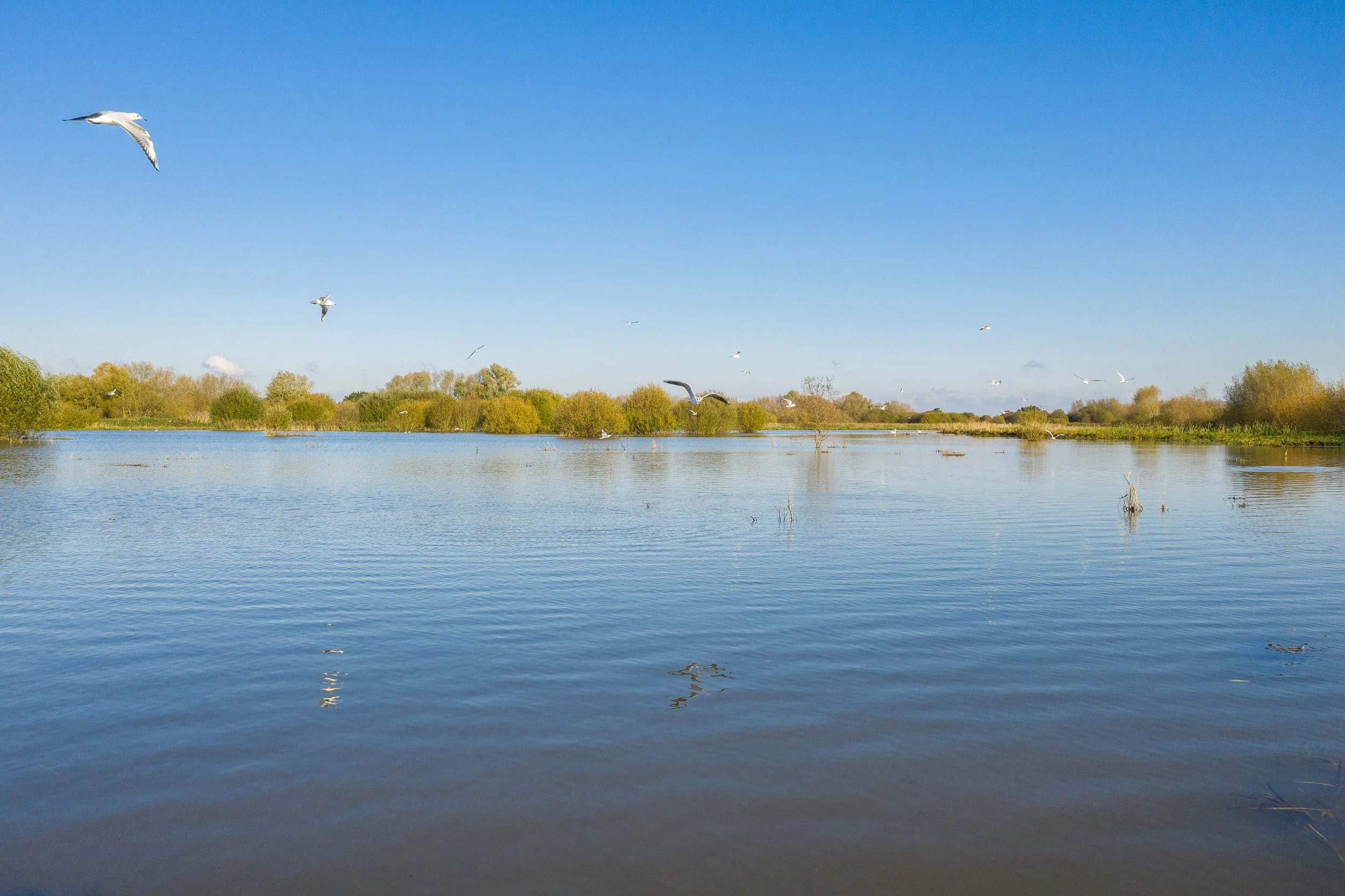
Over a two year project with the RSPB, we have looked at the temporary wetting of arable land as part of rotation to look multi layers of potential benefits - natural flood storage, habitat for wintering waders and controlling pest and disease within the soils..
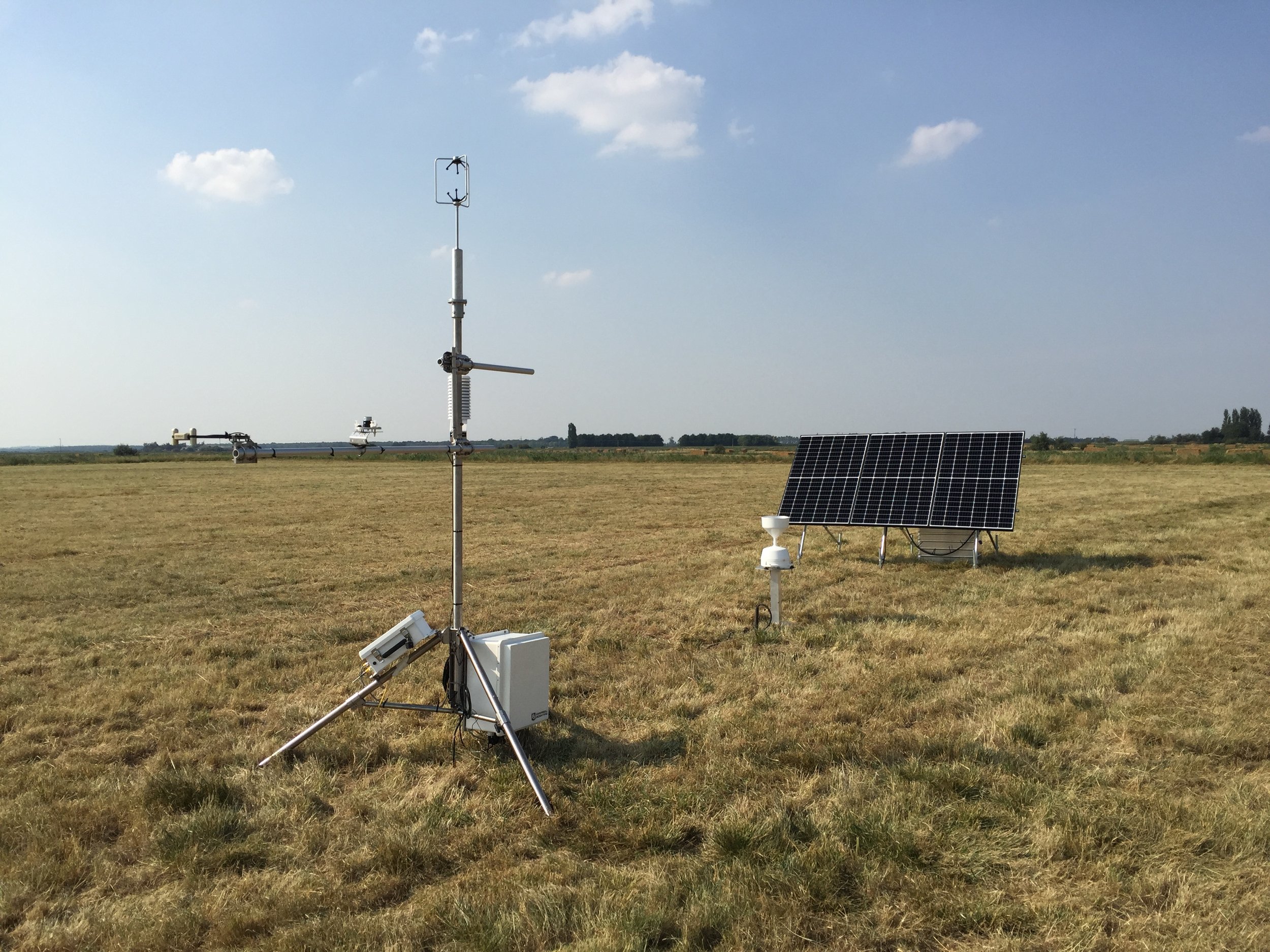
In order to manage The Estate, it is important that we monitor it
The UK Centre for Ecology & Hydrology have installed six flux towers, positioned across the estate including at our paludiculture trial site.
These towers are providing additional life cycle and land emissions analysis that supports us in delivering our Reverse Coal project and driving sustainable change.
Frederick Spence Investments Fund
The Lapwing Estate invests in start-ups tackling the sector's toughest challenges head-on, testing and proving each one at the Pollybell Innovation Centre before it reaches the wider market:
chemical dependency, tackled by Earth Rover's CLAWS robot, which replaces herbicides with precision light-based weeding;
carbon emissions, reversed by Reverse Coal, a greenhouse gas removal facility turning biomass into biochar and renewable energy for climate-positive food production;
water scarcity, addressed by FLOW's large scale agricultural reservoir, which captures peak river flows to supply industry, agriculture and environment;
and crop waste, tackled by UPP, which turns discarded broccoli stalks and florets into plant-based protein and fibre ingredients for food manufacturers.
Other investments include: Seed genetics; Biologicals; Robotics; Energy; Water.


Follow Us on Social